
Can Tummy Time Help Prevent Ear Infections?
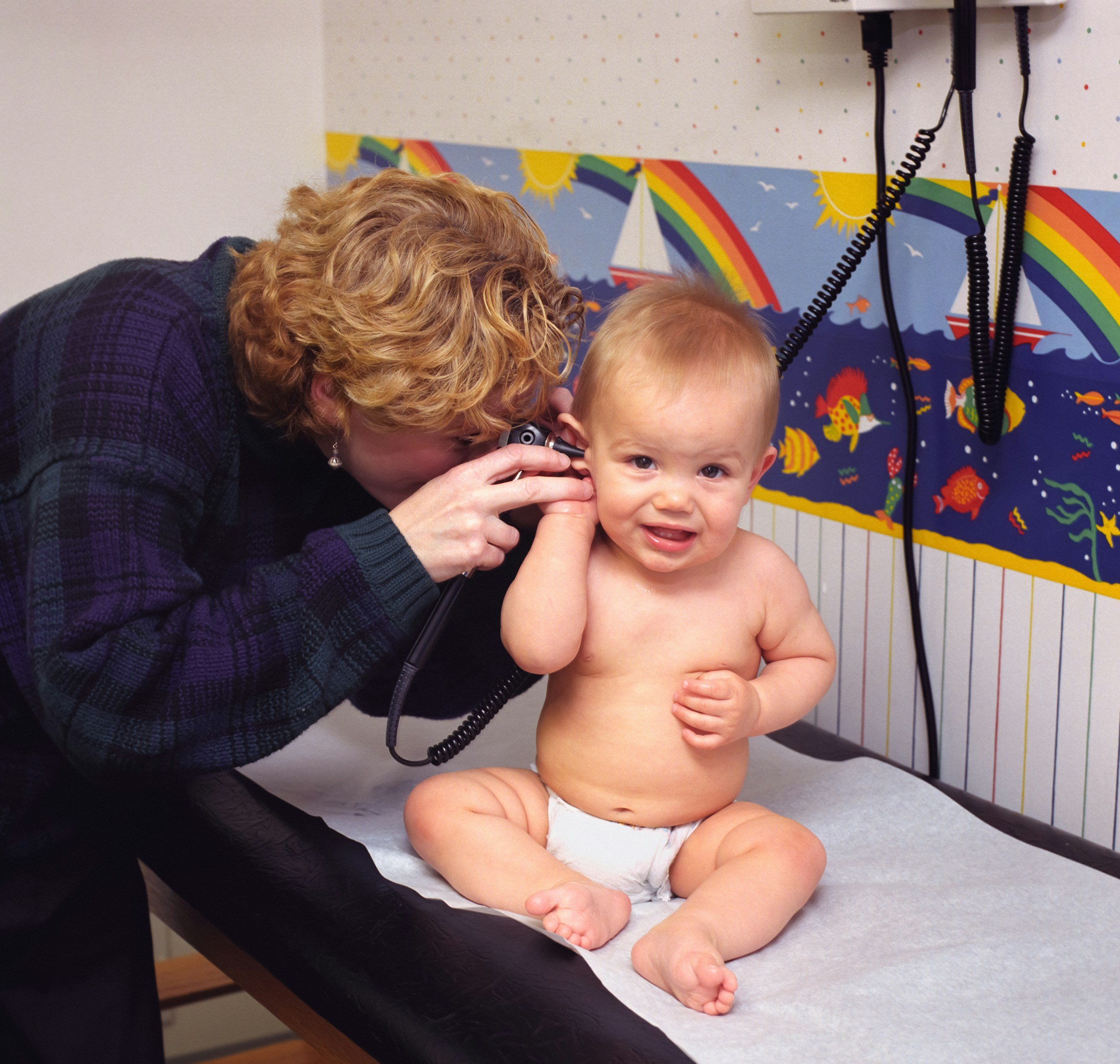
Can Tummy Time Help Prevent Ear Infections?
The Surprising Connection Between Neck Muscles and Ear Health
👶 Tummy Time: More Than Just a Milestone
We all know that tummy time is important — it helps babies build strength, improve motor skills, and prevent flat spots. But did you know it might also help prevent ear infections?
It’s true. The connection isn’t obvious at first glance, but once you understand how your baby’s muscles and bones develop, it all starts to make sense.
Let’s connect the dots.
🧠 A Lightbulb Moment in Craniosacral Therapy
I recently attended a Craniosacral Therapy training, and the instructor made a passing comment about the mastoid bone. That tiny statement got me thinking:
"Could proper mastoid development help reduce ear infections in children?"
Turns out — yes, it can.
🔍 What Is the Mastoid Bone?
The mastoid process is the small, bony bump just behind the ear. It’s part of the temporal bone and plays several important roles:
Protects the inner ear
Aids in balance and hearing
Supports drainage through the Eustachian tube, which connects the middle ear to the throat
Here’s why that last point matters:
✅ Better drainage = fewer ear infections.
But here's the twist — babies aren't born with a fully developed mastoid process. It forms over time in response to muscle use — specifically, the sternocleidomastoid (SCM) muscle.
💪 The Muscle Behind the Mastoid
The SCM muscle is a major neck muscle that helps babies:
Turn their heads
Lift their heads
Maintain balance and posture
It attaches in four places:
The sternum
The clavicle
The occiput (base of the skull)
Just behind the ear — at the site of the future mastoid bone
Every time your baby uses the SCM to move their head, it creates gentle tension at these attachment points. That tension stimulates bone growth, helping to form the mastoid process — an example of an enthesophyte, or a bone that forms at the site of tendon or muscle strain.
🎯 So, How Do Babies Strengthen the SCM?
Simple: movement.
Especially:
Tummy time
Free floor play
Looking around during play or social interaction
On the flip side, too much time in “containers” — bouncers, car seats, swings — or conditions like torticollis (tightening of the SCM on one side) can lead to:
Reduced SCM activation
Delayed or underdeveloped mastoid growth
Increased risk of fluid buildup and ear infections
✅ Quick Parent Tip:
Want to support your baby’s mastoid (and ear) health?
Prioritize these daily activities:
💚 Supervised tummy time starting from birth
🧸 Floor time with toys placed to encourage head turning
🛑 Limit time in containers to what’s necessary
🧠 Watch for signs of torticollis (baby favoring one side, limited neck movement)
If you suspect tightness or asymmetry in your baby’s neck, consider talking to a pediatrician or pediatric physical therapist.
💡 The Bottom Line: Movement Builds More Than Muscles
Encouraging natural, unrestricted movement is about more than hitting gross motor milestones. It also supports your child’s anatomical development — including important structures like the mastoid bone that influence ear drainage and infection risk.
So yes, tummy time could help prevent ear infections — by helping your baby build the muscle tension needed to develop the mastoid bone, which in turn supports a healthy middle ear.
🎉 Free the Babies!
Less time in containers, more time on the floor — it’s a win for motor development, for skull and bone growth, and now, perhaps even for ear health.
Let’s get those babies moving!
📌 Want to Learn More?
If you're curious about baby movement, craniosacral therapy, or early development, stay tuned — I’ll be sharing more posts soon on these fascinating topics.